Coco + Calcium + Hemp
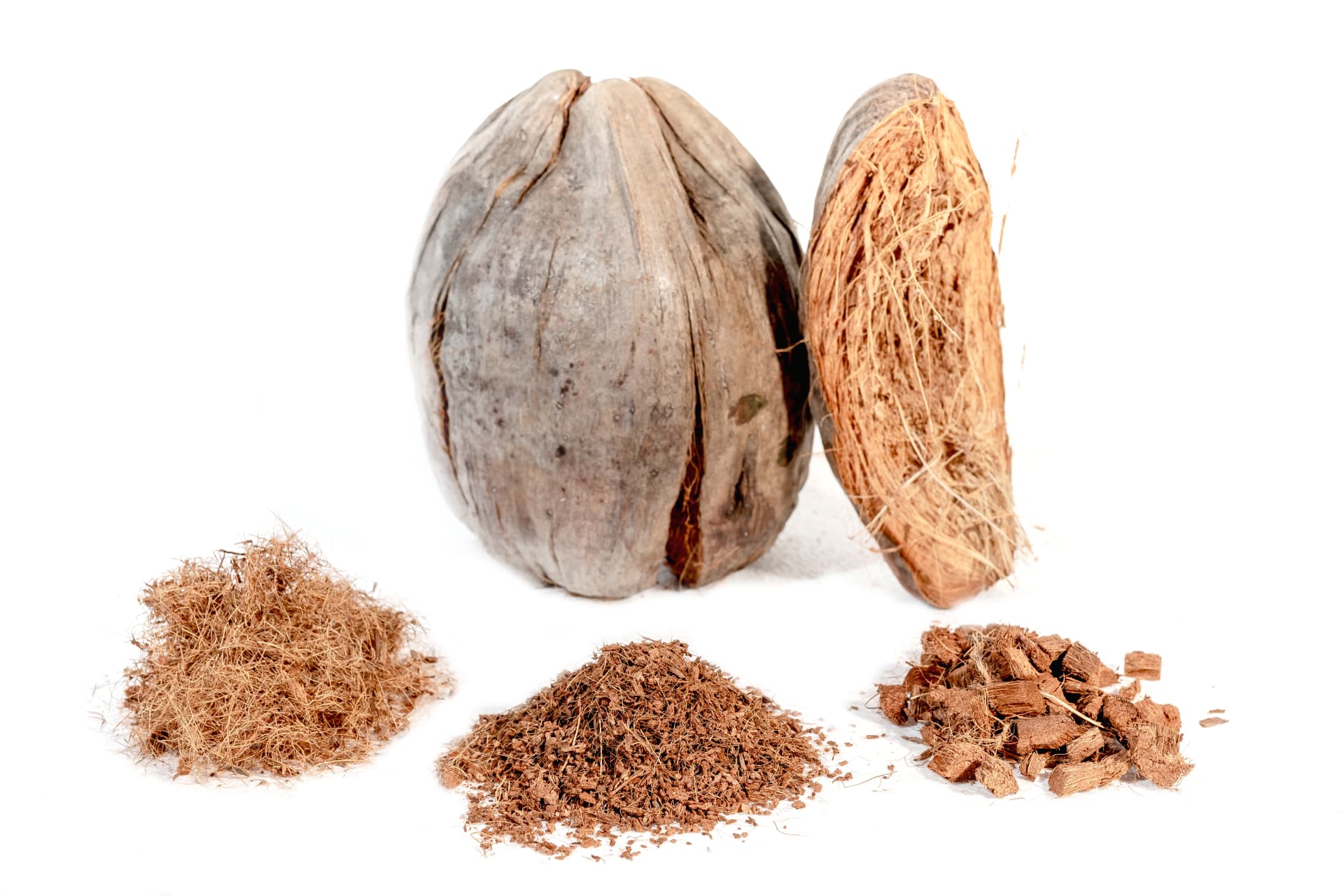
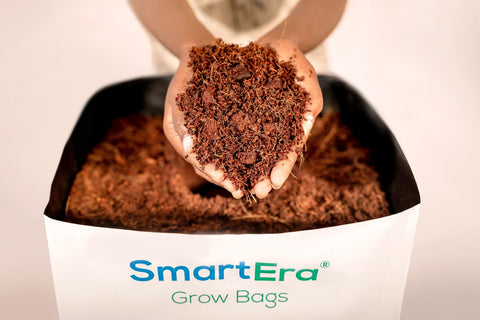
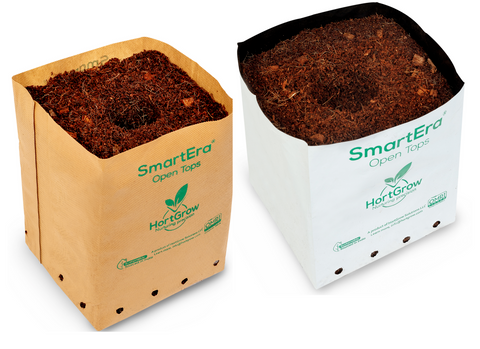
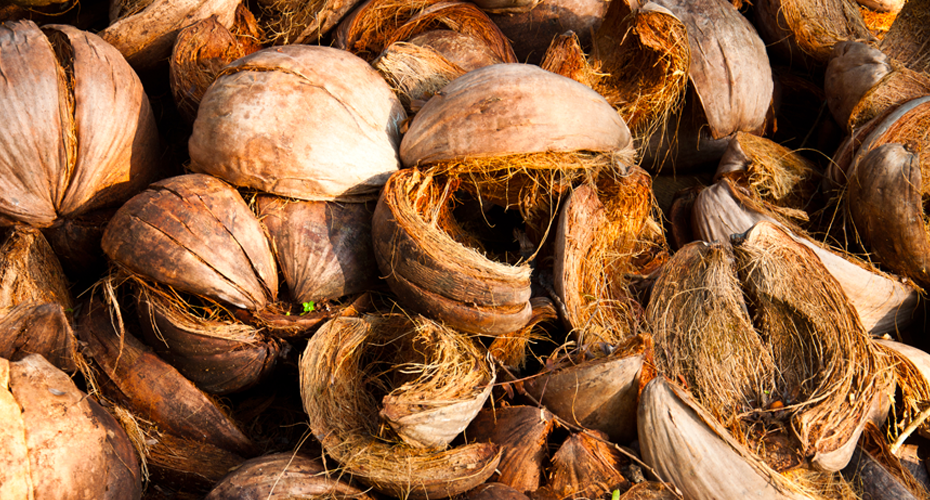
Coconut coir is a byproduct of the coconut industry, being used for the production of coconut oil, juice, and flesh (or “meat”). These are produced from coconut palm trees. As with most fruits, coconuts contain large amounts of potassium. The coconut husk is essentially a lignin compound, similar to wood, but evolved to be more resilient as it protects the reproductive part of the coconut palm tree. Therefore, coconut husks contain a lot of potassium within their cellular structure, and are very resilient to decomposition. The husks of mature coconuts are processed and rinsed for the production of coco coir, which is used as a growing media. If the coconuts are grown in a highly sodic environment, the lignin compound will also contain sodium, along with potassium, within its cellular structure. This is why it is important to use coco coir that has been grown and processed in fresh water conditions.
Read article